
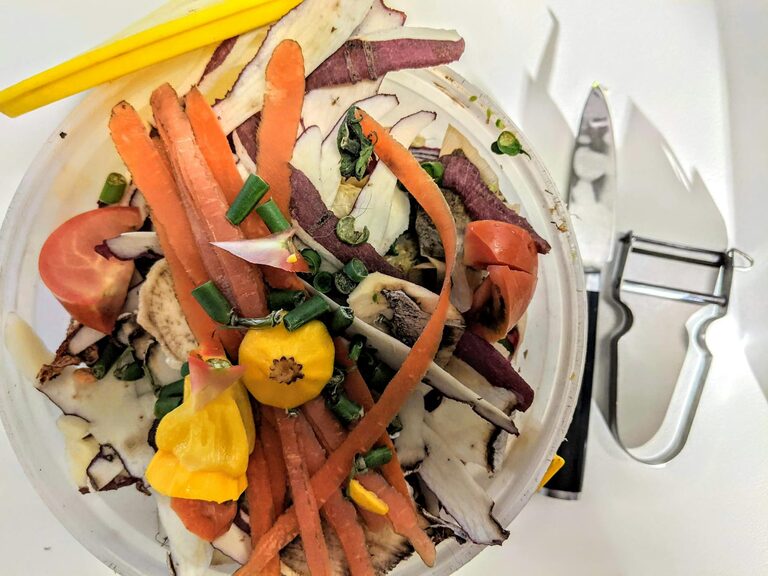
Reducing food waste at home is not only beneficial for your wallet but also plays a significant role in protecting the environment. Each year, tons of perfectly edible food end up in the trash, contributing to greenhouse gas emissions and resource depletion. Luckily, there are plenty of practical steps you can take to waste less food and make the most out of what you buy. In this post, we’ll explore actionable strategies to help you reduce food waste in your everyday life.
Why Reducing Food Waste Matters
Food waste impacts various parts of the environment, including water, land, and energy use. Additionally, when food decomposes in landfills, it releases methane, a potent greenhouse gas. By cutting down on food waste, you save money, decrease your carbon footprint, and contribute to a more sustainable food system.
Plan Your Meals Carefully
One of the most effective ways to reduce waste is through thoughtful meal planning.
– Make a Weekly Menu: Decide on meals for the week ahead to avoid impulse buys and overlapping ingredients.
– Check Your Pantry and Fridge: Before shopping, take inventory to use existing items first.
– Create a Shopping List: Stick to your list to prevent purchasing unnecessary foods that might spoil before use.
Shop Smart
How you shop can dramatically affect how much food ends up unused.
– Buy Only What You Need: Avoid bulk purchases of perishable items unless you’re sure you’ll use them.
– Choose Loose Produce: This lets you buy the exact quantity instead of pre-packaged amounts.
– Avoid Shopping When Hungry: When hungry, it’s easier to overbuy or pick items you may not need.
Store Food Properly
Proper storage keeps food fresh longer and prevents spoilage.
– Understand Storage Guidelines: Store fruits and vegetables in their ideal conditions — some do better in the fridge, others at room temperature.
– Use Airtight Containers: Keep leftovers and opened items sealed to maintain freshness.
– Label and Date: Label containers with dates to track when food was stored and prioritize eating older items first.
Practice First In, First Out (FIFO)
A simple rotation system helps prevent food from spoiling unused.
– Place New Items Behind: When restocking, move older items to the front of the fridge or pantry.
– Check Expiry Dates Regularly: Use foods approaching their “use by” date first.
Get Creative With Leftovers
Leftover food doesn’t have to be boring or go to waste.
– Repurpose Ingredients: For example, use vegetable scraps to make broth or turn stale bread into croutons.
– Create New Meals: Use leftovers to whip up soups, casseroles, or stir-fries.
– Portion Wisely: Preparing smaller portions can reduce uneaten food on plates.
Use Freezing to Extend Shelf Life
Freezing is a great way to keep food usable for longer periods.
– Freeze Excess Fruits and Vegetables: Many can be frozen for later use in smoothies, soups, or baking.
– Freeze Leftovers: Store leftover meals in single portions to enjoy another day.
– Blanch Vegetables Before Freezing: This helps retain color and nutrients.
Compost Food Scraps
For unavoidable scraps like eggshells or coffee grounds, composting turns waste into valuable soil.
– Start a Compost Bin: Even small apartments can use indoor composting solutions.
– Learn What to Compost: Avoid meat and dairy to prevent odors and pests.
– Use Finished Compost: It’s excellent for gardening or houseplants.
Educate the Household
Reducing food waste is easier when everyone is involved.
– Share Tips and Goals: Make it a fun challenge to waste less food together.
– Teach Kids: Encourage children to appreciate food and understand where it comes from.
– Communicate Preferences: Make sure family members know about plans for leftovers and storage to avoid throwing out unwanted food.
Monitor Your Progress
Tracking your waste can motivate you to improve.
– Keep a Waste Log: Note what food you throw away and why.
– Adjust Habits Accordingly: Identify patterns and find solutions to common problems.
– Celebrate Successes: Reward milestones to keep up motivation.
—
By adopting these strategies, you’ll find reducing food waste at home is both manageable and rewarding. The small changes you make can add up to big savings and a positive impact on the planet. Start today by taking one or two steps, and enjoy the benefits of a smarter, more sustainable kitchen!