
Planning meals from pantry staples is a smart way to simplify cooking, save money, and reduce trips to the grocery store. Your pantry is a treasure trove of ingredients that, when thoughtfully combined, can create satisfying and wholesome meals. Whether you want to prepare quick weeknight dinners or plan ahead for busy days, knowing how to use what you already have is a valuable skill.
In this post, we’ll walk you through practical steps to plan meals using pantry essentials, plus tips on stocking and organizing your pantry for maximum convenience.
Why Plan Meals from Pantry Staples?
Using pantry staples to plan meals offers several benefits:
– Saves time: You don’t need to make frequent grocery trips.
– Reduces waste: You use items before they expire.
– Saves money: Avoid last-minute takeout and impulse buys.
– Encourages creativity: Mix and match ingredients to try new recipes.
– Builds cooking confidence: You become more comfortable improvising in the kitchen.
Step 1: Take Inventory of Your Pantry
Before planning meals, know what’s available. Here’s how:
– Empty shelves: Take everything out so you can see it clearly.
– Group similar items: Canned goods, grains, spices, baking ingredients, etc.
– Check expiration dates: Discard expired items.
– Make a list: Write down what you have, noting quantities.
This inventory will be the foundation for your meal ideas.
Step 2: Stock Up on Essential Pantry Staples
If you notice gaps while taking inventory, consider adding or replenishing these staples:
– Grains: Rice, pasta, quinoa, oats
– Canned goods: Beans, tomatoes, vegetables, broth
– Baking basics: Flour, sugar, baking powder, oils
– Spices and herbs: Salt, pepper, garlic powder, dried oregano, cumin
– Nuts and seeds: Almonds, chia seeds, sunflower seeds
– Shelf-stable proteins: Peanut butter, canned tuna or salmon, lentils
Having a well-rounded pantry makes it easier to whip up a variety of meals.
Step 3: Organize Your Pantry for Easy Access
An organized pantry saves time and helps you remember what you have:
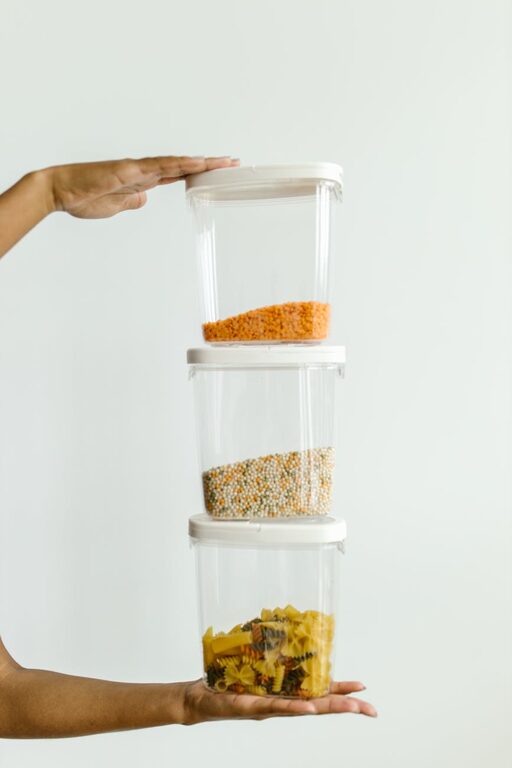
– Use clear containers: Store grains, flours, and snacks in see-through jars.
– Label everything: Even containers for flours, sugar, or mixes.
– Group by category: Keep canned goods together, baking items in one spot.
– Arrange by frequency: Place frequently used items at eye level.
– Keep a running shopping list: Add items as you notice them running low.
Step 4: Plan Your Meals Around Pantry Staples
Start by selecting versatile ingredients and match them to recipes you enjoy or want to try. Here’s a simple approach:
Identify Your Base Ingredients
Base ingredients like rice, pasta, or beans form the foundation of many meals.
Add Flavor and Nutrients
Use canned tomatoes, spices, or broth to create sauces or seasoning.
Incorporate Fresh or Frozen Additions
Supplement pantry items with fresh vegetables, frozen veggies, or proteins if available.
Example Meal Ideas Using Pantry Staples
– Chickpea and Tomato Curry: Use canned chickpeas, canned tomatoes, curry powder, and rice.
– Pasta with Garlic and Olive Oil: Combine pasta, garlic powder (or fresh garlic), olive oil, and dried herbs.
– Bean Chili: Mix canned beans, canned tomatoes, chili powder, and onions.
– Fried Rice: Use leftover rice, soy sauce, frozen vegetables, and eggs.
– Oatmeal with Nuts and Seeds: Quick breakfast with oats, nuts, and a drizzle of honey.
Step 5: Create a Weekly Meal Plan and Shopping List
Once you’ve identified meals you can make from your pantry staples, plan them out for the week.
– Daily menus: Assign meals to specific days to avoid last-minute decisions.
– Shopping list: Note any fresh ingredients needed, like vegetables, fruit, or dairy.
– Prep ahead: Soak beans, chop vegetables, or cook grains in advance.
This organized approach reduces stress and makes cooking more enjoyable.
Bonus Tips for Success
– Batch cook: Make extra servings of pantry-based meals for leftovers.
– Keep it flexible: Feel free to substitute ingredients depending on what’s available.
– Use recipes as inspiration: Adapt recipes to feature the staples in your pantry.
– Involve the family: Get everyone’s input on favorite pantry meals.
– Track expiration with the “first in, first out” method: Use older products before newer ones.
Conclusion
Planning meals from pantry staples may take some practice but brings lasting benefits like saving time, reducing waste, and encouraging creativity in the kitchen. By organizing your pantry, taking inventory, and thoughtfully pairing ingredients, you can enjoy tasty, stress-free meals any day of the week. Start today by exploring what treasures your pantry holds—you may be surprised by the delicious possibilities!