
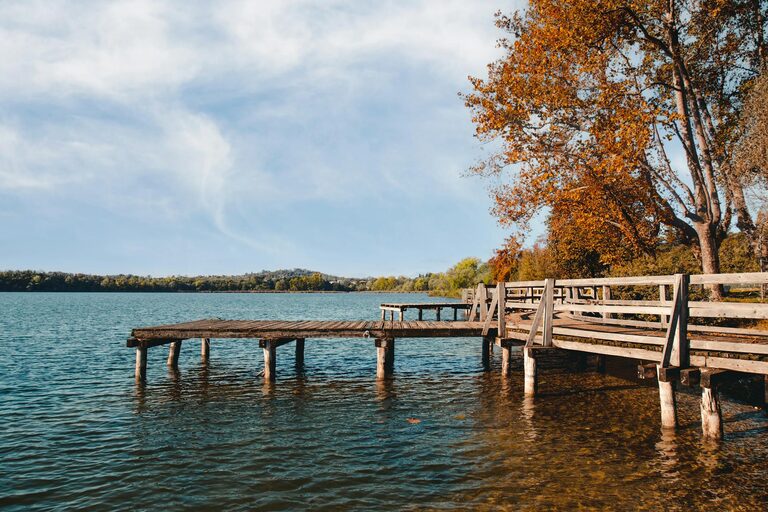
Taking a break from the busy pace of daily life is essential for maintaining balance and well-being. Planning a no-stress weekend can help you recharge and face the upcoming week with renewed energy. But how do you create a weekend that truly feels relaxing and hassle-free? In this post, we’ll explore easy and effective ways to design a weekend that leaves stress behind.
Why Planning a No-Stress Weekend Matters
Weekends are often seen as the perfect time to unwind, but without intentional planning, stress can sneak in through last-minute errands, social commitments, or simply feeling overwhelmed by the need to “do it all.” A no-stress weekend helps you:
– Recharge mentally and physically
– Improve your overall mood
– Boost your productivity for the week ahead
– Enhance your personal happiness and well-being
Preparing ahead makes it easier to enjoy each moment without feeling rushed or pressured.
Step 1: Set Simple, Realistic Goals
Start by deciding what would make your weekend feel restful. Instead of a packed schedule, choose a few key activities or habits that promote calmness. Some examples include:
– Sleeping in without an alarm clock
– Reading a favorite book or magazine
– Going for a gentle walk in nature
– Enjoying a home-cooked meal or trying a new recipe
Be realistic about what you can accomplish so you don’t add unnecessary pressure.
Step 2: Declutter Your Environment
A tidy space promotes a sense of calm and clarity. Before the weekend starts, spend a little time organizing your living area.
– Put away clutter and unnecessary items
– Open windows to let fresh air circulate
– Light a candle or diffuse a soothing scent like lavender or chamomile
These small changes can set a peaceful tone for your weekend.
Step 3: Limit Digital Distractions
Technology is useful but can also increase stress, especially when constantly checking emails or social media. Consider taking a digital break or limiting screen time during your weekend.
– Set specific times to check your phone or computers
– Turn off non-essential notifications
– Try a no-phone hour or two during your favorite relaxing activity
This helps your mind rest and gives you space to focus on the present moment.
Step 4: Prioritize Self-Care Activities
Incorporating self-care into your weekend plan is key to reducing stress. Think about what helps you feel nurtured and cared for.
Some self-care ideas include:
– Taking a warm bath with Epsom salts or essential oils
– Practicing gentle yoga or stretching
– Meditating or deep breathing exercises
– Journaling your thoughts or gratitude
Choose activities that refresh your mind and body without feeling like chores.
Step 5: Enjoy Outdoor Time
Spending time outside can greatly reduce stress levels and boost mood. Whether it’s a short walk around the block or a visit to a nearby park, fresh air and natural surroundings are rejuvenating.
– Plan a picnic or outdoor breakfast
– Visit a botanical garden or beach
– Try gardening or tending to houseplants
Outdoor time also encourages light physical activity, which can improve sleep and reduce anxiety.
Step 6: Keep Plans Flexible
A no-stress weekend is not about following a strict schedule. Keep your plans loose so you can adapt based on how you feel.
– Say no to commitments that feel overwhelming
– Allow yourself to skip activities if you’re tired
– Mix quiet solo time with gentle social interaction if you enjoy company
The key is honoring your needs and rhythms without pressure.
Step 7: Prepare Meals in Advance
Cooking can be relaxing, but last-minute meal prep can add stress. Preparing some meals or snacks ahead of time frees you to enjoy your weekend.
– Make easy-to-reheat casseroles or soups
– Chop fruits and veggies for quick snacks
– Stock up on healthy staples like nuts, yogurt, and granola bars
Having nourishing food available supports your energy and overall well-being.
Step 8: Reflect and Adjust for Next Time
At the end of your weekend, take a moment to reflect on what worked well and what you might change. This helps you design even better no-stress weekends in the future.
Ask yourself:
– Which activities felt most relaxing?
– Did you feel rushed or calm overall?
– How did limiting digital use affect your mood?
– What self-care habits would you like to continue?
Taking notes or journaling can provide helpful insights.
—
Final Thoughts
Planning a no-stress weekend is a wonderful way to prioritize your mental and physical health. By setting simple goals, creating a calming environment, limiting distractions, and focusing on self-care, you can create a restorative weekend that leaves you refreshed. Remember, it’s okay to adjust and experiment until you find what truly helps you unwind. Treat your weekend as a mini retreat—you deserve it!
Give these tips a try and enjoy your next weekend free from stress!