
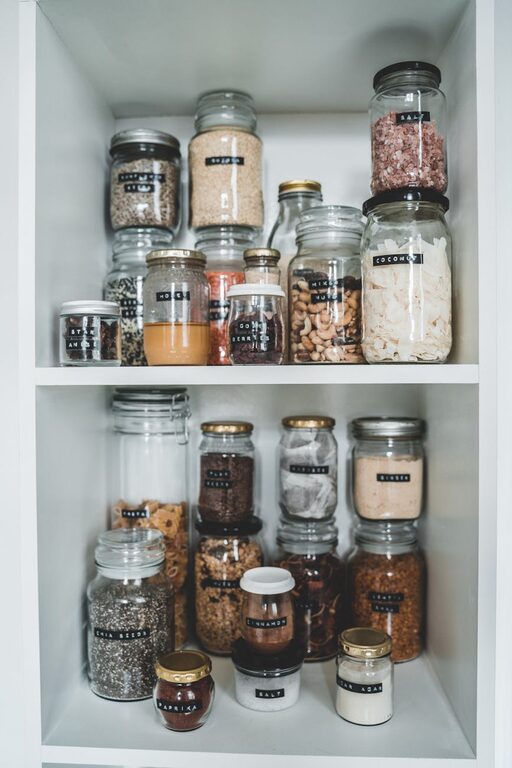
How to Keep a Tidy Fridge and Pantry: Practical Tips for Every Home
Keeping your fridge and pantry tidy might seem like a small part of your home routine, but it plays a big role in reducing food waste, making cooking easier, and maintaining a clean kitchen. Whether you have a large refrigerator or a compact pantry, organizing these spaces can save you time, money, and unnecessary stress. In this post, we’ll explore practical steps to keep your fridge and pantry neat, fresh, and functional.
Why Keeping a Tidy Fridge and Pantry Matters
A cluttered fridge or overstuffed pantry can make it difficult to find what you need, increase the chances of food spoilage, and even impact how much you spend on groceries. Organization helps you:
– Easily locate ingredients
– Reduce expired or forgotten food items
– Maintain hygiene and prevent odors
– Maximize the storage space you have
Preparing for Organization: Gather Your Supplies
Before you start, collect some essential supplies to help keep things tidy:
– Clear storage bins or baskets
– Labels or masking tape and a marker
– Airtight containers for loose or bulk items
– Shelf liners that are easy to wipe clean
– A trash bag for expired or unwanted food
Having these ready will make the process smoother and help maintain order over time.
Step 1: Empty and Clean
Start fresh by taking everything out of your fridge and pantry. This lets you:
– See what you have and how much
– Check expiration dates and quality
– Clean shelves and drawers thoroughly
Use a mild soap and warm water or a vinegar solution to wipe down surfaces. Dry completely before putting anything back.
Step 2: Sort and Declutter
Sort items into categories like:
– Fresh produce
– Dairy and eggs
– Meats and proteins
– Condiments and sauces
– Snacks and baked goods
– Dry goods like grains, pasta, and canned food
Dispose of any expired, spoiled, or unwanted items. Consider donating unopened non-perishables that you won’t use to local food banks.
Step 3: Organize Smartly in the Fridge
Use Zones
Assign specific areas in your fridge for different types of food. For example:
– Top shelves: Ready-to-eat items and leftovers
– Middle shelves: Dairy products like milk, yogurt, and cheese
– Bottom shelves: Raw meats (ideally in a tray to catch drips)
– Drawers: Fruits and vegetables (separately, if possible, to avoid ethylene gas affecting produce)
Use Clear Bins and Labels
Group smaller items in clear containers or baskets to avoid clutter and make retrieval easier. Labeling helps everyone in the household know where things belong.
Keep It Visible and Accessible
Place frequently used items at eye level for quick access. Move older items to the front so they get used before newer ones.
Store Properly to Maximize Freshness
– Store herbs wrapped in damp paper towels in a container or jar with water.
– Keep berries in a breathable container lined with paper towels.
– Avoid washing produce before storing; wash only before use.
Step 4: Organize the Pantry for Easy Access
Categorize and Group Similar Items
Use baskets or bins to group snacks, baking supplies, canned goods, pasta, and grains. This reduces clutter and keeps similar items together.
Use Airtight Containers
Transferring items like flour, sugar, rice, and cereals into airtight containers helps keep them fresh longer and prevent pests.
Utilize Vertical and Door Space
Add shelf risers or stackable bins to make use of vertical space. Use door racks if available to store spices or small bottles.
Label Everything
Clear labels on containers and bins create a neat, uniform look and help everyone find what they need quickly.
Practice FIFO: First In, First Out
Keep newer products behind older ones so that older items get used first, reducing waste.
Step 5: Maintain Your Fridge and Pantry Routine
– Take five minutes weekly to tidy shelves, wipe spills, and rearrange as needed.
– Plan meals around items that need to be used soon.
– Keep a running grocery list to avoid overbuying.
– Store grocery bags or reusable containers nearby for easier restocking.
Bonus Tips for Keeping Things Fresh and Odor-Free
– Place an open box of baking soda in the fridge to absorb odors.
– Use charcoal air purifiers in the pantry.
– Store onions, potatoes, and garlic in a cool, dark, well-ventilated space rather than the pantry if possible.
Final Thoughts
Keeping a tidy fridge and pantry is all about creating systems that work for your household and sticking to simple habits. With a little initial effort, you can enjoy a cleaner kitchen, reduce food waste, and save time when cooking or grocery shopping. Try these tips out today and watch your kitchen become a more organized, inviting space!
—
Do you have any favorite organization tricks for your kitchen? Share your thoughts in the comments below!
