
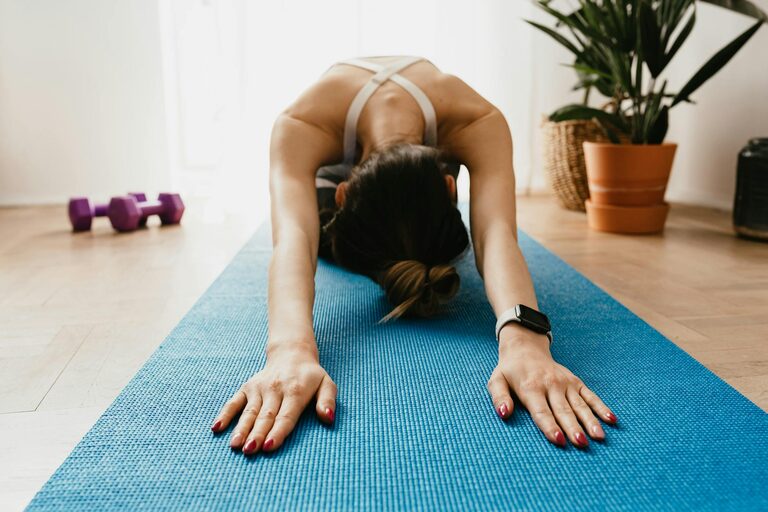
A Beginner’s Guide to Stretching at Home for Better Flexibility
Stretching is an essential part of any fitness routine, yet many people overlook its benefits or feel unsure about how to begin. Whether you’re looking to improve your flexibility, reduce muscle tension, or simply add a relaxing habit to your day, stretching at home is a great way to start. This beginner’s guide will walk you through the basics of stretching, explain why it’s important, and provide simple exercises you can try right now.
Why Stretching Matters
Stretching helps lengthen muscles, improve joint range of motion, and increase blood flow throughout your body. These benefits can lead to better posture, decreased muscle soreness, and enhanced physical performance. Additionally, regular stretching may reduce stress and help you feel more relaxed.
For beginners, stretching at home offers a convenient, low-cost way to reap these benefits without the pressure of a gym or a complex routine.
When to Stretch
You can incorporate stretching into your day in several ways:
– After waking up: Morning stretches can help activate your muscles and prepare your body for the day.
– Before exercise: Dynamic stretches (moving stretches) gently warm up muscles to prevent injury.
– After exercise: Static stretches (holding a position) help cool down muscles and improve flexibility.
– During breaks: Stretching during work or study breaks can relieve tension and reduce stiffness.
Stretching Basics for Beginners
Before you begin, keep these simple tips in mind:
- **Warm up first:** Never stretch cold muscles. A quick walk or light jog for 5 minutes increases blood flow and reduces injury risk.
- **Stretch gently:** You should feel tension but not pain. Avoid bouncing or forcing your body into positions.
- **Hold steady:** Hold each stretch for 15 to 30 seconds, and breathe deeply.
- **Stretch both sides:** Stretch equally on both sides of your body for balance.
- **Stay consistent:** Aim to stretch at least three times a week to notice improvements.
Simple Stretching Exercises to Try at Home
Here are some easy stretches you can do without any special equipment. These target key muscle groups and can help get you started safely.
1. Neck Stretch
– Sit or stand comfortably.
– Slowly tilt your head toward your right shoulder until you feel a gentle stretch on the left side of your neck.
– Hold for 20 seconds and switch sides.
2. Shoulder Rolls
– Sit or stand with your back straight.
– Roll your shoulders forward in a circular motion 10 times.
– Then roll them backward 10 times.
3. Chest Stretch
– Stand tall and clasp your hands behind your back.
– Straighten your arms and gently lift your hands while opening your chest.
– Hold for 20-30 seconds.
4. Cat-Cow Stretch (Spine Mobility)
– Get on your hands and knees.
– Arch your back up like a cat, tucking your chin toward your chest.
– Then dip your back down, lifting your head and tailbone (cow position).
– Repeat 10 times slowly.
5. Hamstring Stretch
– Sit on the floor with one leg extended.
– Reach toward your toes, keeping your back straight.
– Hold for 20 seconds, then switch legs.
6. Quadriceps Stretch
– Stand and hold onto a chair or wall for balance.
– Bend your right knee, bringing your heel toward your buttock.
– Hold your ankle with your right hand and keep knees close.
– Hold for 20 seconds, then repeat on the left side.
7. Seated Spinal Twist
– Sit on the floor with your legs extended.
– Bend your right knee and cross it over your left leg.
– Twist your torso to the right, placing your left elbow outside of your right knee.
– Hold for 20-30 seconds and repeat on the opposite side.
Creating a Stretching Routine
To make stretching a habit, try these strategies:
– Set aside 10–15 minutes daily or on workout days.
– Combine stretching with other relaxing activities like deep breathing or meditation.
– Use reminders or phone alarms to prompt you to stretch.
– Track your progress by noting how your flexibility improves over weeks.
Safety Considerations
– If you have any existing injuries or health conditions, check with a professional before starting new stretches.
– Stop immediately if you experience sharp pain or dizziness.
– Use a comfortable, quiet space free of distractions.
Final Thoughts
Starting a stretching routine at home is a simple way to enhance your body’s flexibility, reduce stress, and create a sense of well-being. With consistent practice and gentle care, even beginners can enjoy the many benefits of stretching. Remember, the key is to listen to your body and enjoy the process.
Why not start today? Pick a few stretches from this guide, and take 10 minutes to move and breathe. Your body will thank you!
